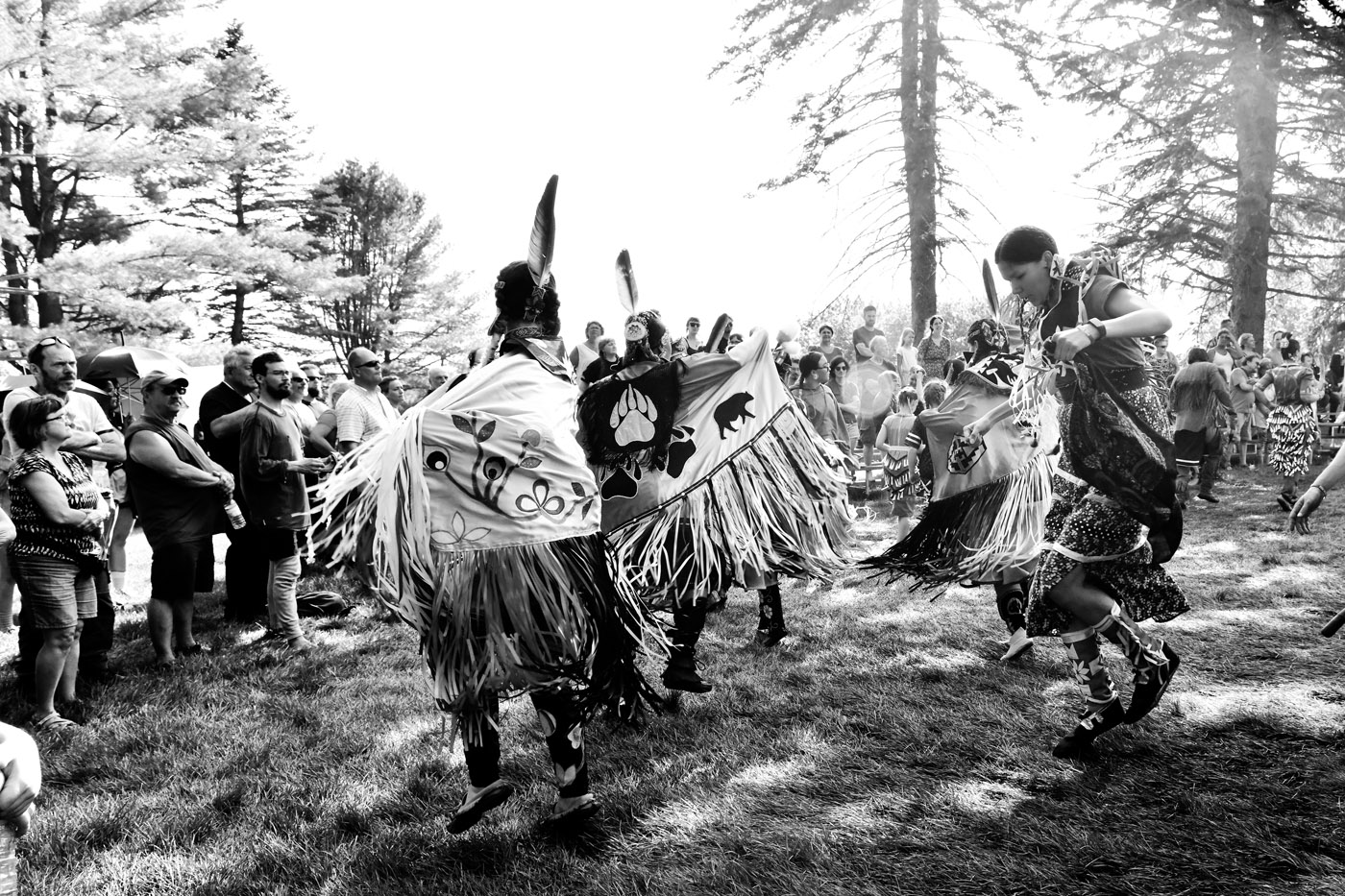
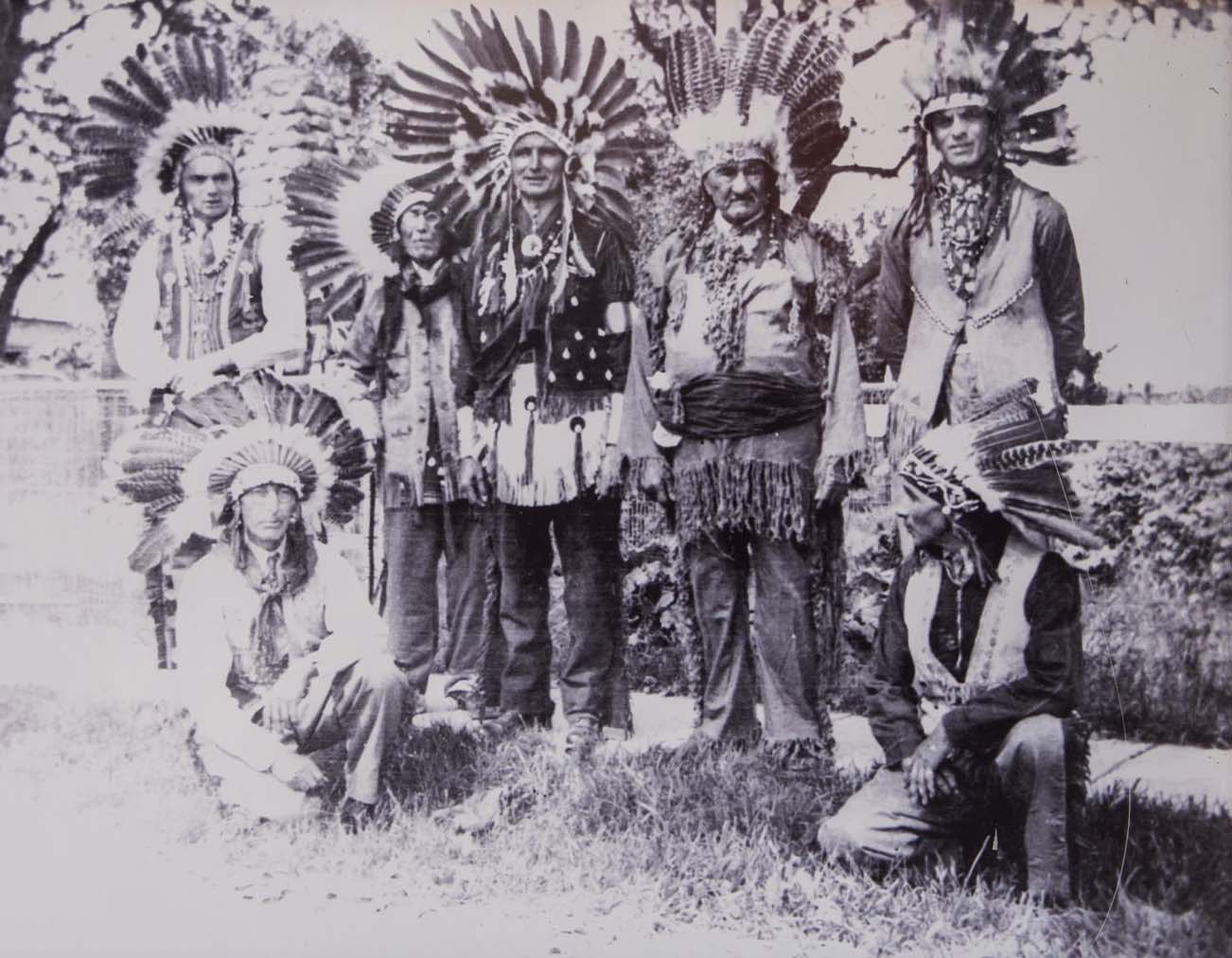
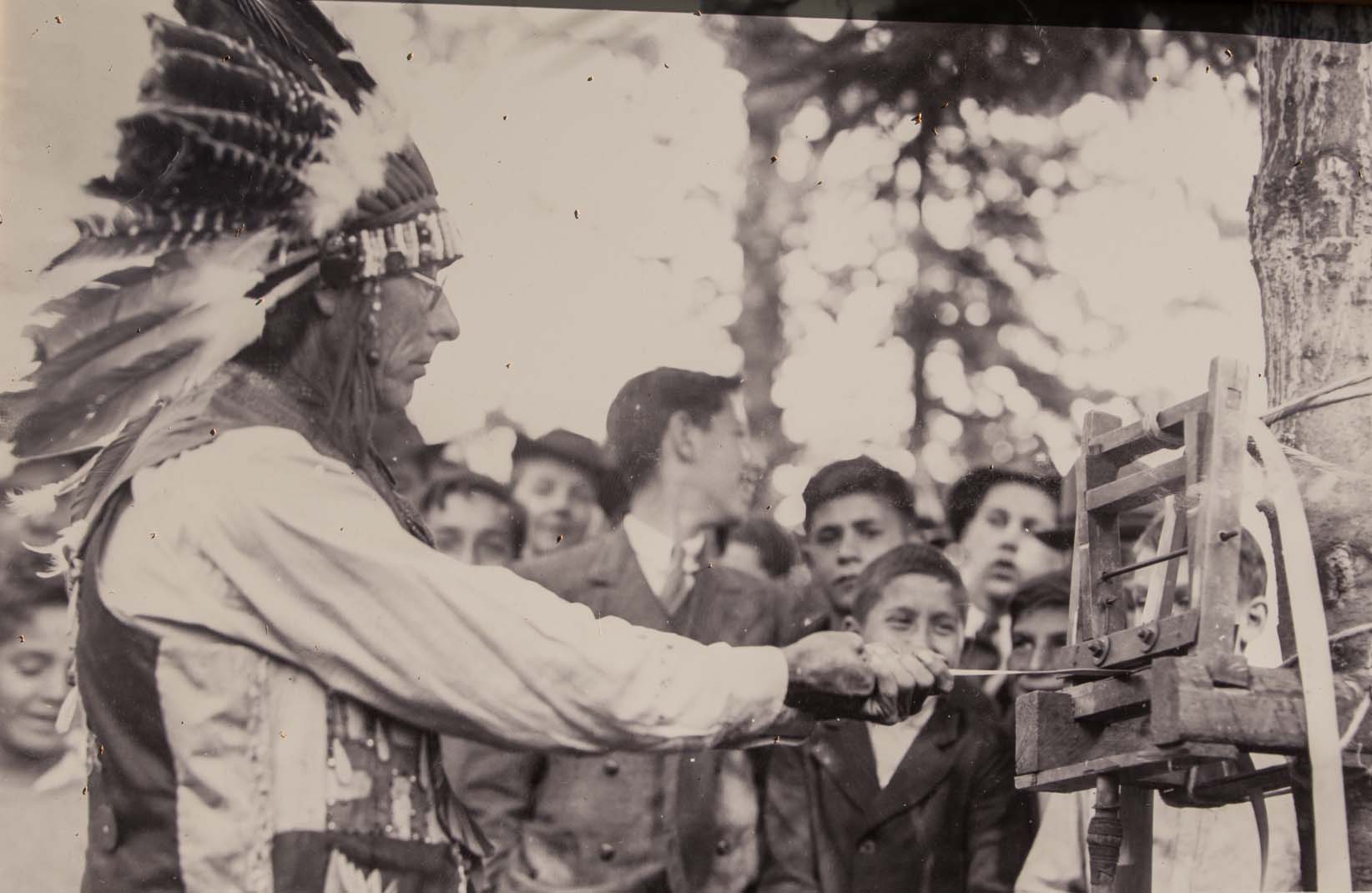
The W8banakiak (Abenakis) have a rich and radiant identity, culture and traditions of which they can be proud. They carry this heritage in their blood and in their soul. They are the legitimate guardians of this heritage and have the duty to protect it and transmit it to future generations.
The Grand Council of the Waban-Aki Nation, the Abenakis of Odanak Council and the Abenakis of Wôlinak Council are concerned about the increasing number of individuals and groups who proclaim themselves to be Abenakis and who fraudulently claim to be spiritual guides, chiefs or guardians of the culture and traditions. Genealogical affiliation is the sole basis for an individual’s legitimate right to bear the Abenaki identity and to claim its rights and privileges. American states, such as Vermont, have failed to meet this requirement when they recognized 4 so-called Abenaki groups without verifying the heritage of the various individuals affiliated with these groups.
Thus, the GCNWA and the Councils of Odanak and Wôlinak denounce the appropriation of their culture, identity, and traditions, notably by the so-called Abenaki groups of Vermont. The theft of cultural and spiritual heritage by self-proclaimed groups or groups recognized by states such as Vermont is a major component of the loss of political influence of the W8banakiak on the ancestral territory, the Ndakina. This loss of influence over the territory has a direct impact on its occupation and use for traditional activities, such as fishing and hunting, as well as the practice of crafts and the trade that goes with it.
In the same way that self-proclamation or recognition without regard to the genealogical affiliation of any individual or group, those of the groups in Vermont must be unequivocally denounced by Aboriginal institutions as well as by the governments of Quebec, Canada and the New England states.
The Abenakis Of Today Are The Direct Descendants
Of The Abenakis Of Yesterday.
"We Were Not Hiding. We Are Still Here."
The Grand Conseil de la Nation Waban-Aki Inc., founded in 1979, is a Tribal Council grouping the Abenaki bands Odanak and W8linak. From the eight goals set out in the letters patent of the Waban-Aki Corporation Inc., the appointed committee identified three main elements of its mission; representation, development and administration. The GCNWA and political representatives from Odanak and W8linak are responsible for the ongoing mobilization campaign among its members residing in the United States.
In a search for truth and justice, the Grand Council of the Waban-Aki Nation is dedicated to raising awareness and recognition of the voices and identity of the Abenaki First Nations of Odanak and W8linak in the New England states.
Following the recognition by Vermont of four self-declared Abenaki groups, the Abenakis of Odanak Council has taken steps to denounce the appropriation of Abenaki identity and culture, as well as to obtain recognition on the American side. In April 2022, a delegation from Odanak travelled to the University of Vermont to present a conference on this subject. Since then, the Council has approached the Governor of Vermont and requested an official meeting with him.
The Grand Council of the Waban-Aki Nation (GCNWA) has now endorsed the claims made by the Abenakis of Odanak Council and is leading the mobilization initiative to have the Abenakis of Odanak and W8linak First Nations known and recognized in the New England States.
The W8banaki Nation is one of the Algonquian peoples present in the American Northeast. Its population currently numbers more than 3,000 individuals, mostly located in Quebec and the United States. The W8banaki territory, the Ndakina, predates the current state borders and includes all or part of southern Quebec, Maine, New Hampshire, Vermont and Massachusetts. In this regard, the Pna8bskategw (Penobscot River) and the Akigwitegw (Etchemin River) form the eastern boundary of the Ndakina while the Merrimack River and the line formed by the Masesoliantegw (Richelieu River) and the Pitawbagw (Lake Champlain) constitute the western boundary of the W8banaki territory.
The Ndakina borders the territories of the Wolastoqiyik Wahsipekuk, Penobscot and Kanien’kehá:ka Nations. The occupation of the Ndakina by the W8banakiak is visible and identifiable in the watersheds that criss-cross the territory, which are areas where the Nation has, from time immemorial, practiced various traditional activities. This territorial organization allowed the emergence, 3,000 years ago, of regional groups, among others in the regions of Maine and Vermont. In accordance with the practice of their traditional activities, the W8banakiak made many seasonal movements in the upper watersheds of southern Quebec to the Kchitegw (St. Lawrence River), passing through the Eastern Townships, Brome-Missisquoi and Chaudière-Appalaches regions.
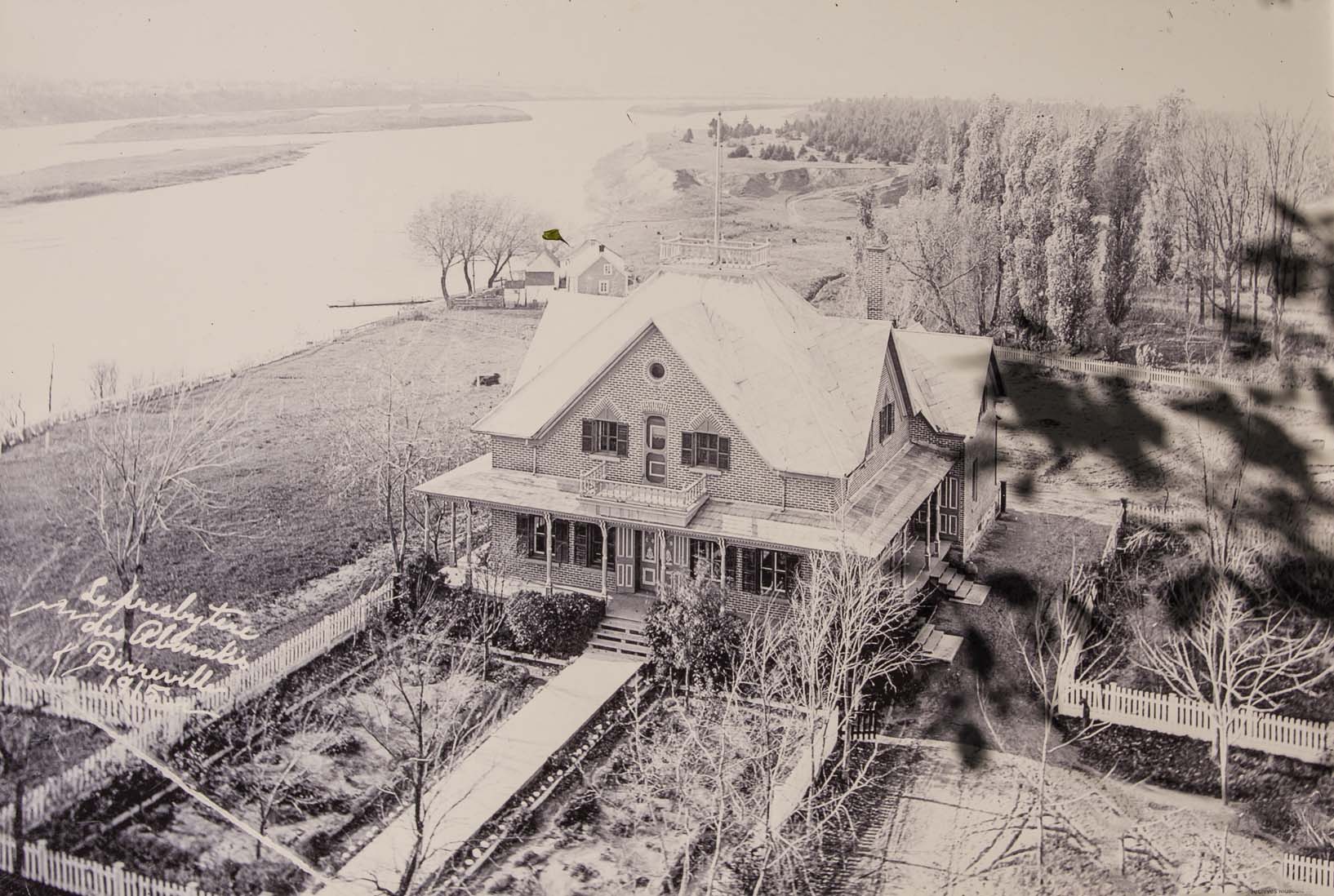
The context of the colonial wars led the W8banakiak groups located at the edge of the French and English colonies to move permanently to the northern part of the Ndakina, a territory occupied and used by the Nation for generations, notably for hunting and trading. They were first found in the 17th century in the Jesuit missions of Sillery and the Kik8ntegw (Chaudière River). Then, sedentary Catholic missions were founded in the 18th century at the location of existing W8banakiak camps on the Alsig8ntegw and W8linaktegw (Saint-François and Bécancour rivers), where the traditional use and occupation of the Ndakina was maintained, despite the presence and certain actions of the lords, settlers and missionaries. Today, the missions of Saint-François and Bécancour (or Saint-François-Xavier) have become the communities of Odanak and W8linak.
In the early 2000s, the Missisquoi Band applied for recognition by the US federal government. In late 2002, Vermont Attorney General Bill Sorrell released detailed evidence that there had been no Abenaki groups in the state for 200 years. In 2005, the federal government rejected the Missisquoi Band’s application for the same reasons. Faced with this failure, the “Abenakis” of Vermont, who estimate their number to be 6,000, divided themselves into four groups and convinced the state to create a Commission on Native Affairs.
The latter recognized four Abenaki groups in 2011. This gives them the right to sell Abenaki crafts and gives them access to Vermont grants reserved for Indigenous Peoples. These groups are an example of the phenomenon of “pretendians”, that is, groups of people who falsely claim to be members of a First Nation, questioning the true historical ties with the original occupants of the territory. A few of the members of the four controversial groups are actually Abenakis with Odanak ancestry, but most of them invoke a French-Canadian ancestry to justify their Indigenous ancestry.
Check out our FAQ section below for answers to common inquiries.
There are individuals within these groups who have true ancestry from Odanak.
However, most claim French-Canadian ancestry to justify their Indigenous
lineage.
The two official Abenaki communities in Canada are Odanak and Wôlinak,
formerly known as Saint-François and Bécancour (or Saint-François-Xavier)
respectively.
There are approximately 3,000 Abenakis, especially in Quebec and in the United
States, in the New England region.
No. The four groups are only recognized in Vermont.
The four self-proclaimed groups are known as: Elnu Abenaki Tribe, Nulhegan
Abenaki Tribe, Koasek Traditional Band of the Koas Abenaki Nation and Saint
Francis-Sokoki Band of the Abenaki Nation of Missisquoi
Genealogical affiliation is the sole basis for an individual’s legitimate right to
bear the Abenaki identity and to claim its rights and privileges. The theft of
cultural and spiritual heritage by self-proclaimed groups or groups recognized by
states such as Vermont is a major component of the loss of political influence of
the W8banakiak on the ancestral territory, the Ndakina. This loss of influence
over the territory has a direct impact on its occupation and use for traditional
activities, such as fishing and hunting, as well as the practice of handicrafts and
related trade.